Sambac Jasmine: The Queen of Jasmine
Sambac Jasmine (Jasminum sambac) is a highly revered and fragrant evergreen climber, native to the Himalayas and Southeast Asia. This stunning plant boasts:
- Dark green, glossy leaves with a leathery texture
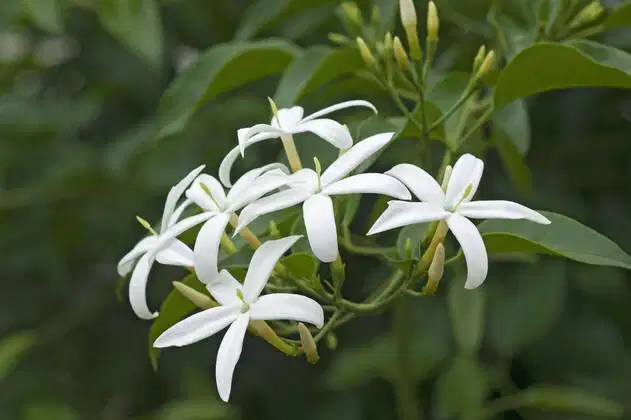
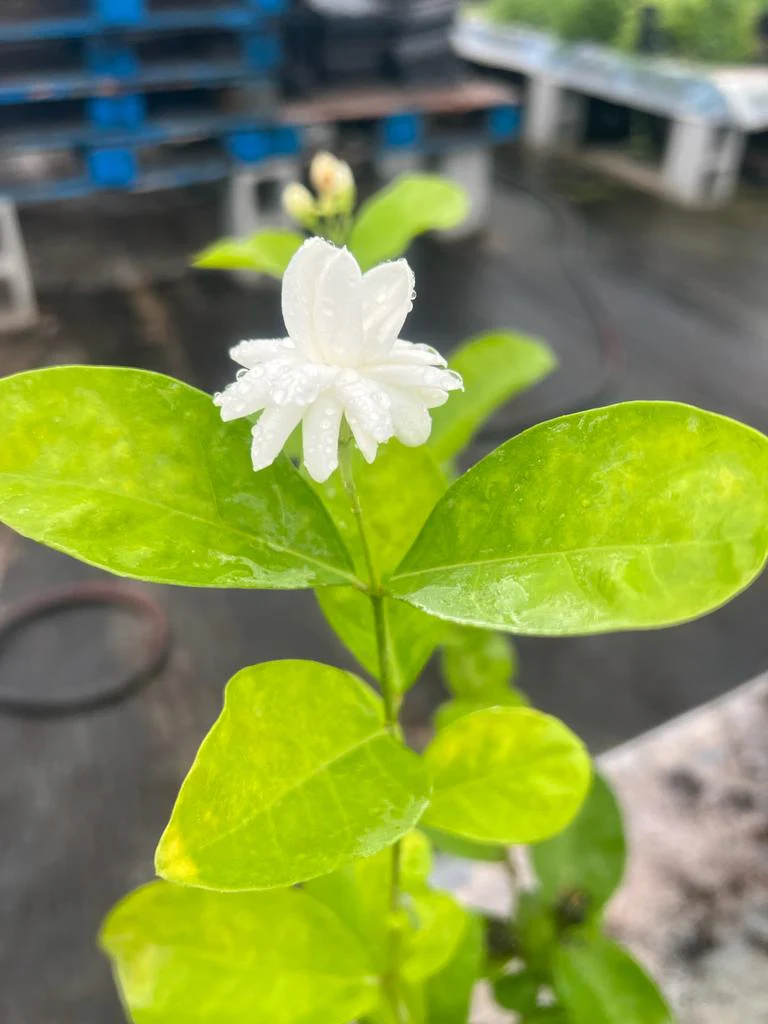
- Showy, white, star-shaped flowers with a powerful, sweet fragrance
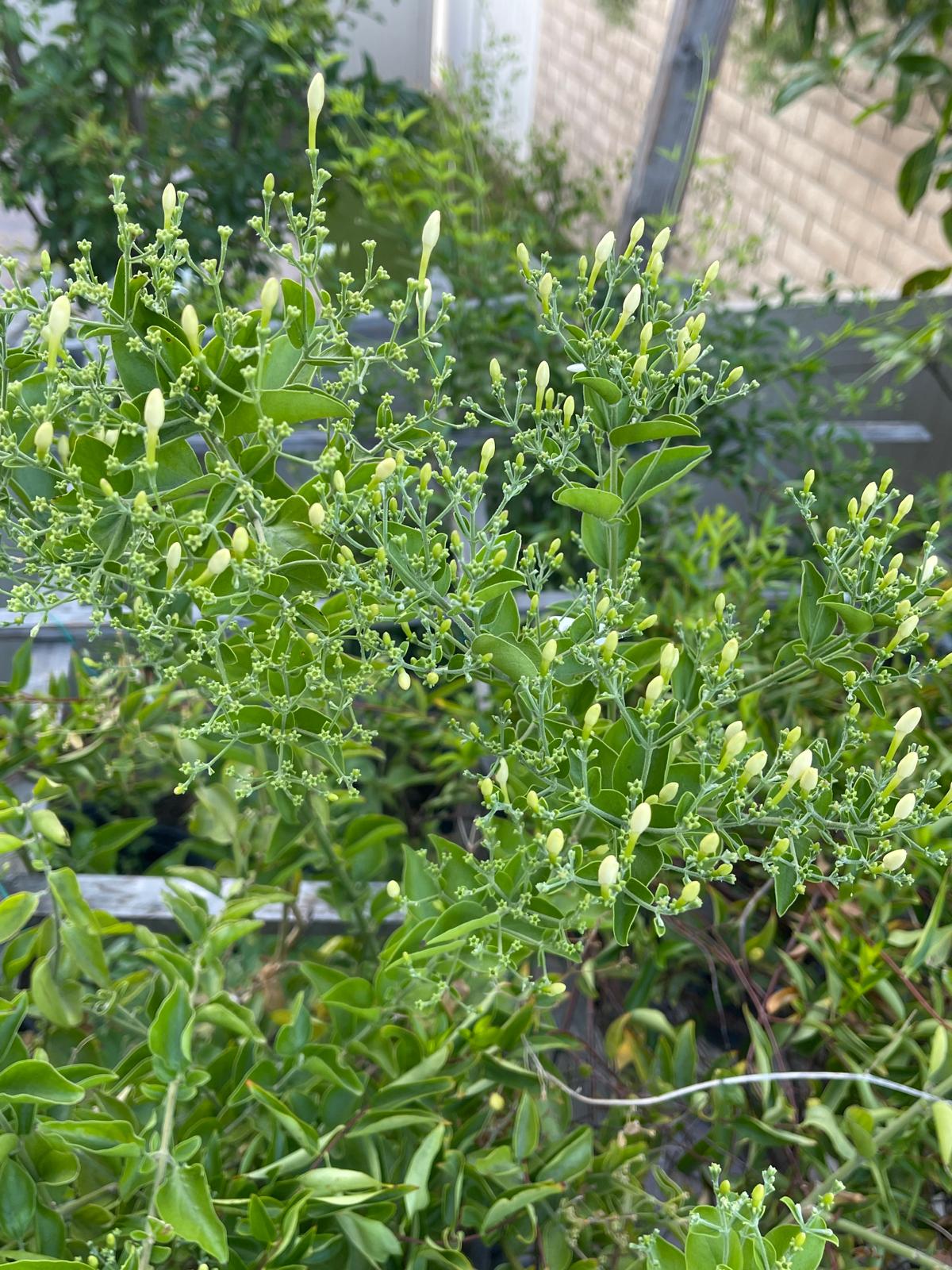
- Long, slender stems with a twining habit, perfect for trellises or arbors
Fragrance and Bloom:
- Sambac Jasmine blooms in the evening, releasing its heady scent into the night air
- The fragrance is intense and sweet, with hints of rose and orange blossom
Cultural Significance:
- Considered the “Queen of Jasmine” in India and the Middle East
- Used in traditional medicine, perfumes, and aromatherapy
- Symbolizes love, sensuality, and spiritual growth in various cultures
Unique Characteristics:
- More fragrant than other Jasmine varieties
- Larger flowers, with a more intense scent
- Can bloom multiple times a year, providing a continuous fragrance
Cultivation and Care:
- Plant in well-draining soil and partial shade
- Water regularly, but tolerate some drought
- Prune to maintain shape and encourage new growth
Experience the Majestic Beauty of Sambac Jasmine:
With its breathtaking fragrance and elegant appearance, Sambac Jasmine is a true delight for the senses. Let its sweet aroma transport you to a world of romance and enchantment.